من الإتاحة المحدودة إلى التوسّع العالمي
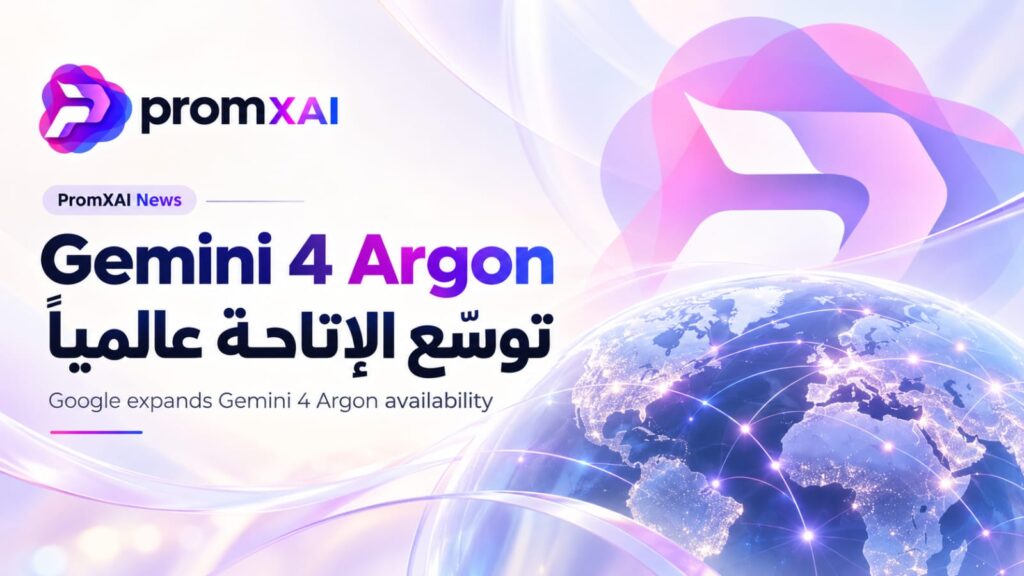
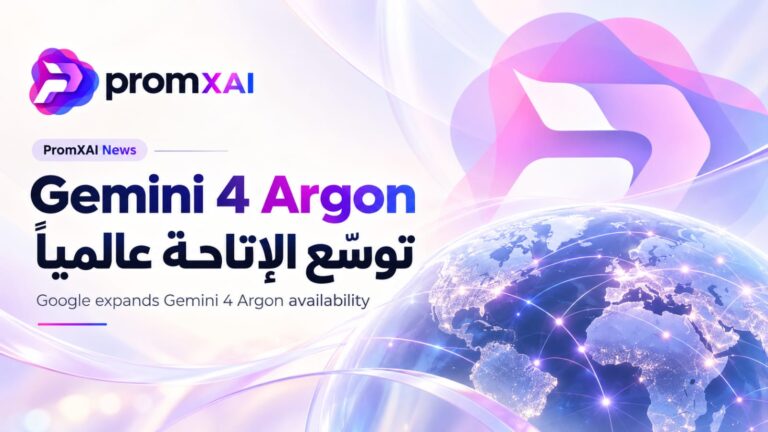
أعلنت Google يوم 13 أكتوبر 2026 توسيع إتاحة نموذجها المتقدم للاستدلال Gemini 4 Argon عالميًا، بعد تقديمه أولًا في 30 سبتمبر بوصول مرحلي مقيّد شمل جهات موثوقة في مجال الدفاع السيبراني. وتمثل الخطوة انتقال النموذج إلى استخدام أوسع لدى المطورين والشركات والمشتركين المؤهلين، بدل اقتصاره على برامج الوصول المبكر.
يتاح النموذج للمطورين من خلال Gemini API وGoogle AI Studio، كما أعلنت الشركة وصوله إلى منتجات تشمل تطبيق Gemini ووضع AI Mode في البحث ومنصة Google Antigravity، مع اختلاف أهلية الوصول بحسب الخدمة والخطة. ويأتي التوسّع ضمن توجه Google إلى دعم مهام طويلة ومتعددة الخطوات بدل الاكتفاء بإجابات قصيرة.
ماذا يقدّم Gemini 4 Argon؟
تصف Google النموذج بأنه موجّه للمهام التي تتطلب استدلالًا ممتدًا ودقة عبر خطوات مترابطة، مثل التعامل مع مستودعات برمجية كبيرة، وتحليل مواد متشعبة في الأعمال المالية والقانونية، والمساعدة في الأبحاث العلمية، والعمليات المتقدمة لوكلاء الذكاء الاصطناعي.
ووفق وثائق Gemini API، يدعم النموذج حدًا موحّدًا للسياق يبلغ 1,048,576 رمزًا يشمل المدخلات والتفكير والمخرجات. وتسمح ميزة Long Decode بإنتاج مخرجات أطول عبر التنفيذ في الخلفية وإعدادات خاصة، بينما يظل حد الإخراج الافتراضي للطلبات المتزامنة 65,536 رمزًا. يمكن ضبط مستوى التفكير على low أو medium أو high وفق طبيعة المهمة.
تدعم واجهة النموذج مدخلات نصية وصورية وصوتية ومرئية وملفات PDF، مع مخرجات نصية وفق صفحة المواصفات. لذلك لا يعني تميّزه في فهم الفيديو أنه نموذج لتوليد الفيديو أو الصور بذاته.
أمثلة استخدام أعلنتها Google
عرضت Google أمثلة داخلية لتطبيق النموذج في هندسة البرمجيات، منها المساعدة في إعادة تنظيم مكوّنات كبيرة من متصفح Chromium وتحسين أداء أدوات تطوير الوكلاء. وذكرت الشركة أن استخدامها Argon في Google Antigravity ارتبط بزيادة تتجاوز 35% في إرسال مساهمات برمجية مدعومة بالوكلاء وتقليل التراجعات عن تغييرات الكود بنحو الثلث ضمن سياقها الداخلي.
كما تحدثت الشركة عن حالات بحثية تشمل تحسين برمجيات كيمياء حاسوبية ودعم تجارب في الحوسبة الكمية والروبوتات والأمن السيبراني. هذه أمثلة ونتائج أفصحت عنها Google، وليست دليلًا مستقلًا على أن كل مستخدم سيحقق معدلات التحسين نفسها.
الإتاحة والأسعار: ليست خدمة مجانية للجميع
وفق إعلان Google، يتاح Gemini 4 Argon في تطبيق Gemini ووضع AI Mode لمشتركي Google AI Pro وUltra المؤهلين، بينما يرتبط الوصول في Google Antigravity باشتراك Ultra في السيناريو الاستهلاكي المذكور. ويصل المطورون إليه عبر المستوى المدفوع من Gemini API، كما تتوفر قنوات مخصصة لعملاء المؤسسات والباحثين وبرامج أمنية بشروطها.
حددت Google سعرًا تمهيديًا للنموذج المتاح عبر واجهة البرمجة قدره دولاران لكل مليون رمز إدخال و10 دولارات لكل مليون رمز إخراج حتى 30 نوفمبر 2026. واعتبارًا من 1 ديسمبر 2026 تصبح الأسعار المعلنة 4 دولارات للإدخال و20 دولارًا للإخراج لكل مليون رمز. وهذه أسعار استخدام API، ولا تمثل سعر اشتراك تطبيق Gemini.
تشير الوثائق إلى أن التخزين المؤقت الضمني متاح، بينما لا يدعم النموذج واجهة التخزين المؤقت الصريح في هذا الإصدار. ويمكن للمطورين استخدام معرّف النموذج gemini-4-argon بعد مراجعة دليل الترحيل والتكاليف والحدود الخاصة بحساباتهم.
القيود ومسؤولية التقييم
لا تُفهم عبارة «إتاحة عالمية» على أنها وصول مفتوح بلا قيود لجميع المستخدمين أو المناطق والحسابات؛ فأهلية الخطط والخدمات والسعة وسياسات الاستخدام ما زالت مؤثرة. كما أن تكاليف الرموز الكبيرة ومهلات التنفيذ تصبح مهمة عند تشغيل مهام طويلة أو تطبيقات إنتاجية.
أشارت Google إلى اختبارات سلامة وآليات لحماية الأنظمة من إساءة استخدام القدرات المتقدمة وحقن التعليمات. ومع ذلك، ينبغي التحقق البشري من المخرجات في المجالات الحساسة، وعدم التعامل مع أمثلة الأداء التي تقدمها الجهة المطوِّرة باعتبارها ضمانًا مطلقًا.
ماذا يعني التحديث للمطورين والمؤسسات؟
يتيح التوسّع لعدد أكبر من الفرق تجربة نموذج مصمم لإكمال مسارات عمل معقدة، مثل تحليل الشيفرة وإعداد تقارير مستندة إلى ملفات كثيرة وتنفيذ خطوات مترابطة تحت الإشراف. لكن قرار اعتماده ينبغي أن يقوم على اختبار بيانات المؤسسة الفعلية، ودقة النتائج، واستهلاك الرموز، والأمان، وتكلفة التشغيل مقارنة بالنماذج الأخرى.
النقطة العملية الأبرز ليست ارتفاع سقف الرموز وحده، بل قدرة المؤسسات على الجمع بين الاستدلال الطويل، والربط بالأدوات، ومراقبة تنفيذ الوكلاء. وستحدد الاختبارات المستقلة والتجارب التشغيلية مدى جدوى ذلك في كل حالة استخدام.
From restricted access to global rollout
On October 13, 2026, Google expanded worldwide access to Gemini 4 Argon, its advanced reasoning model. The move followed an initial September 30 announcement that described a phased release to trusted cybersecurity defenders and other limited participants. The new rollout opens more routes for eligible developers, enterprises and subscribers.
Developers can work with Argon through the Gemini API and Google AI Studio. Google also announced access through the Gemini app, AI Mode in Search and Google Antigravity, although eligibility varies by product and subscription tier. The release emphasizes sustained, multi-step work rather than short answers alone.
What Gemini 4 Argon is designed to do
Google positions Argon for demanding reasoning workflows such as large-scale software engineering, complex financial and legal analysis, scientific work, and multi-step AI agents.
The Gemini API documentation specifies a unified context limit of 1,048,576 tokens shared among input, reasoning and output. Its Long Decode capability can produce longer responses with background execution and specific configuration; ordinary synchronous requests have a default 65,536-token output limit. Developers can choose low, medium or high thinking levels.
The model accepts text, image, audio, video and PDF inputs but produces text output, according to its specification. Strong video understanding should therefore not be mistaken for native image or video generation.
Results and examples reported by Google
Google described internal engineering applications, including work on Chromium architecture and optimizations to agent development software. The company says using Argon in Google Antigravity helped its teams raise agentic code submissions by more than 35% and cut code rollbacks by nearly a third in their internal setting.
Its announcement also cites research and applied work in computational chemistry, quantum computing, robotics and cybersecurity. These are company-reported examples, not independent evidence that every user will obtain identical improvements.
Availability and API pricing
According to Google, eligible Google AI Pro and Ultra subscribers can access Argon in the Gemini app and AI Mode, while the consumer Antigravity access described in the announcement is tied to Ultra. Developers can use the model through the paid Gemini API, and separate access routes apply to enterprise customers, researchers and approved security programs.
For the publicly available API model, Google announced introductory rates of $2 per one million input tokens and $10 per one million output tokens through November 30, 2026. From December 1, the stated rates increase to $4 and $20 respectively. Those figures are API usage rates, not Gemini app subscription fees.
Google documents support for implicit caching but not explicit context caching in this model version. Developers can target gemini-4-argon after reviewing the migration guide, service limits and account-specific costs.
Limits and evaluation safeguards
A global rollout does not mean unrestricted free access across all accounts, services or locations. Plan eligibility, capacity and usage rules still matter. Long-running workflows also require attention to token consumption, timeout settings and operating costs.
Google describes model safety evaluations and defenses against misuse and prompt injection. Even so, sensitive deployments need human review, and vendor-reported performance figures should not be read as universal guarantees.
Why this matters for teams
More teams can now test a model intended for intricate workflows: reviewing codebases, synthesizing substantial document sets and coordinating tool-assisted tasks under supervision. Adoption decisions should be based on real organizational evaluations of accuracy, safety, latency and total cost against alternatives.
The practical shift is not merely a larger token ceiling. It is the possibility of combining longer reasoning, tool use and supervised agent execution in production workflows. Independent evaluations and field testing will determine how valuable that combination is for each use case.
 خبر AIAI News